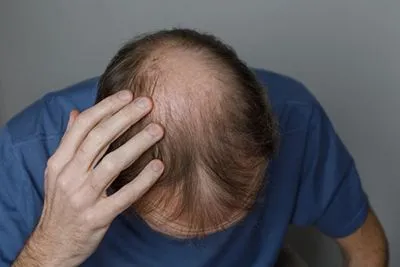
Hair loss is a common concern, regardless of age or gender. It can range from thinning hair to complete baldness, and can have a significant impact on self-esteem and confidence. Dr. Steve S. Oberemok and Cyrus Querol, PA-C, at Tri-Valley Dermatology in Hemet and Murrieta, California, will help you determine if your hair loss is being caused by something unusual and what can be done about it.
There are several types of hair loss, with the most common being androgenetic alopecia (commonly known as male or female pattern baldness), alopecia areata (an autoimmune condition that causes patchy hair loss), and telogen effluvium (temporary hair shedding often triggered by stress or hormonal changes).
Why Hair Loss Happens
Hair loss can result from a variety of factors, including genetics, hormonal changes, medical conditions, and lifestyle choices. Androgenetic alopecia is often hereditary and is characterized by a gradual thinning of hair, typically starting at the temples or crown of the head.
Hormonal changes, such as those experienced during pregnancy, menopause, or thyroid disorders, can also lead to hair loss. Additionally, certain medical conditions, including autoimmune diseases, scalp infections, and nutritional deficiencies, can contribute to hair thinning or loss.
Lifestyle factors, such as stress, poor diet, and harsh hair treatments, can further exacerbate hair loss.
Diagnosis and Evaluation
When you visit Tri-Valley Dermatology, Dr. Steve Oberemok and Cyrus Querol, PA-C, will conduct a thorough evaluation to determine the cause of your hair loss. This may include a detailed medical history, physical examination, and, if necessary, laboratory tests to assess hormone levels, nutritional deficiencies, or other medical conditions.
Treatment Options for Hair Loss
There are various treatment options available for hair loss, depending on the cause and severity of the condition. For androgenetic alopecia, topical treatments such as minoxidil (Rogaine) and oral medications like finasteride (Propecia) may be recommended to promote hair regrowth and slow further loss.
For people with alopecia areata, corticosteroid injections or topical treatments may help stimulate hair regrowth. In cases of telogen effluvium, treating the underlying cause, such as managing stress or improving nutrition, can often lead to the restoration of hair growth.
Preventive Measures and Lifestyle Changes
In addition to medical treatments, there are several preventive measures and lifestyle changes that can support hair health. Maintaining a balanced diet rich in vitamins and minerals, particularly those known to promote hair growth (such as biotin, zinc, and iron), can be beneficial.
Avoiding harsh hair treatments and minimizing heat styling can also help protect your hair from damage. Additionally, managing stress through relaxation techniques, exercise, and adequate sleep can contribute to overall hair health.
Get Answers about Hair Loss
Hair loss can be a challenging experience, but we can help you figure out whether there’s a deeper health issue at play. If you are concerned about your hair or would like to explore treatment options, call Tri-Valley Dermatology, the practice of Dr. Steve S. Oberemok and Cyrus Querol, PA-C, in Hemet and Murrieta, California, at (951) 658-9461.