
Advanced Basal Cell Carcinoma Cases: Treatment Innovations for Complex or Recurrent Lesions
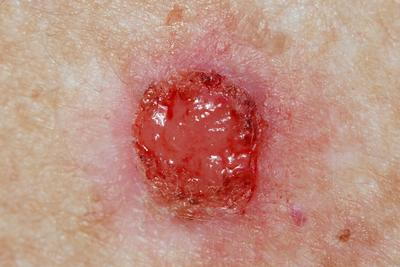
- posted: Dec. 05, 2025
At Tri-Valley Dermatology in Murrieta and Hemet, CA, patients facing advanced basal cell carcinoma (BCC) often seek specialized care for complex or recurrent lesions. Basal cell carcinoma is the most common form of skin cancer, typically developing in sun-exposed areas such as the face, neck, and hands. While most cases respond well to standard treatment, advanced or recurring BCC requires innovative approaches and expert management to ensure effective removal, minimize recurrence, and preserve healthy tissue.
Understanding Advanced Basal Cell Carcinoma
Advanced BCC can present as larger, deeper, or aggressive lesions that extend beyond the surface of the skin. Recurrent BCC refers to lesions that reappear in areas previously treated, sometimes due to incomplete removal or aggressive tumor characteristics. These cases are more challenging because they often involve delicate areas, scar tissue from prior procedures, or proximity to critical structures such as eyes, nose, or ears. Prompt evaluation and expert care are essential to prevent further progression and ensure optimal outcomes.
Patients with advanced BCC may notice persistent, non-healing sores, raised or rolled edges, visible blood vessels, or changes in skin texture. Because BCC rarely metastasizes, the primary concern is local tissue destruction and aesthetic impact. Early recognition and intervention can prevent extensive tissue involvement and reduce the need for more invasive procedures.
Innovative Treatment Options
Treatment for advanced or recurrent BCC at Tri-Valley Dermatology combines precision, innovation, and personalized planning. Mohs micrographic surgery is a cornerstone of care, offering meticulous, layer-by-layer removal of cancerous tissue while preserving as much healthy skin as possible. This approach is particularly valuable for complex lesions in cosmetically sensitive areas.
In addition to surgical techniques, targeted topical therapies, advanced radiation options, and systemic treatments such as hedgehog pathway inhibitors may be recommended for select patients. These therapies provide effective cancer control, particularly for lesions that are difficult to excise or have recurred after previous interventions. Dermatologists tailor each plan based on tumor characteristics, patient health, and long-term goals, ensuring both effectiveness and safety.
Supporting Long-Term Skin Health
Ongoing monitoring is essential for patients with advanced BCC. Regular follow-up visits allow dermatologists to detect new lesions early, manage scarring, and reinforce sun protection strategies. Patient education on UV exposure, self-examination, and skin care enhances long-term outcomes and reduces the risk of additional skin cancers.
For patients seeking specialized care for complex or recurrent basal cell carcinoma, Tri-Valley Dermatology in Murrieta and Hemet, CA, offers expert evaluation, innovative treatment options, and personalized support to manage advanced lesions effectively. To schedule an appointment and explore comprehensive care for basal cell carcinoma, call 951-658-9461 today.
- posted: Dec. 05, 2025
At Tri-Valley Dermatology in Murrieta and Hemet, CA, patients facing advanced basal cell carcinoma (BCC) often seek specialized care for complex or recurrent lesions. Basal cell carcinoma is the most common form of skin cancer, typically developing in sun-exposed areas such as the face, neck, and hands. While most cases respond well to standard treatment, advanced or recurring BCC requires innovative approaches and expert management to ensure effective removal, minimize recurrence, and preserve healthy tissue.
Understanding Advanced Basal Cell Carcinoma
Advanced BCC can present as larger, deeper, or aggressive lesions that extend beyond the surface of the skin. Recurrent BCC refers to lesions that reappear in areas previously treated, sometimes due to incomplete removal or aggressive tumor characteristics. These cases are more challenging because they often involve delicate areas, scar tissue from prior procedures, or proximity to critical structures such as eyes, nose, or ears. Prompt evaluation and expert care are essential to prevent further progression and ensure optimal outcomes.
Patients with advanced BCC may notice persistent, non-healing sores, raised or rolled edges, visible blood vessels, or changes in skin texture. Because BCC rarely metastasizes, the primary concern is local tissue destruction and aesthetic impact. Early recognition and intervention can prevent extensive tissue involvement and reduce the need for more invasive procedures.
Innovative Treatment Options
Treatment for advanced or recurrent BCC at Tri-Valley Dermatology combines precision, innovation, and personalized planning. Mohs micrographic surgery is a cornerstone of care, offering meticulous, layer-by-layer removal of cancerous tissue while preserving as much healthy skin as possible. This approach is particularly valuable for complex lesions in cosmetically sensitive areas.
In addition to surgical techniques, targeted topical therapies, advanced radiation options, and systemic treatments such as hedgehog pathway inhibitors may be recommended for select patients. These therapies provide effective cancer control, particularly for lesions that are difficult to excise or have recurred after previous interventions. Dermatologists tailor each plan based on tumor characteristics, patient health, and long-term goals, ensuring both effectiveness and safety.
Supporting Long-Term Skin Health
Ongoing monitoring is essential for patients with advanced BCC. Regular follow-up visits allow dermatologists to detect new lesions early, manage scarring, and reinforce sun protection strategies. Patient education on UV exposure, self-examination, and skin care enhances long-term outcomes and reduces the risk of additional skin cancers.
For patients seeking specialized care for complex or recurrent basal cell carcinoma, Tri-Valley Dermatology in Murrieta and Hemet, CA, offers expert evaluation, innovative treatment options, and personalized support to manage advanced lesions effectively. To schedule an appointment and explore comprehensive care for basal cell carcinoma, call 951-658-9461 today.
Hemet Office
901 South State St.,
Suite 100,
Hemet, CA 92543
Murrieta Office
28078 Baxter Rd.,
Suite 312,
Murrieta, CA 92563
Hemet Office
Monday
8:00 am - 4:00 pm
Tuesday
8:00 am - 4:00 pm
Wednesday
8:00 am - 4:00 pm
Thursday
8:00 am - 4:00 pm
Friday
8:00 am - 1:00 pm
Saturday
Closed
Sunday
Closed
Murrieta Office
Monday
8:00 am - 4:00 pm
Tuesday
Closed
Wednesday
Closed
Thursday
Closed
Friday
Closed
Saturday
Closed
Sunday
Closed